
 |
The Japanese Embassy hired all-Republican CGCN Group to provide strategic counsel, arrange introductions to members of Congress/administration and to conduct intelligence gathering in the nation's capital.
President Trump's tariffs and overtures to North Korea have strained US-Japan relations.
The Japanese finance minister Taro Aso on June 1 blasted the US tariffs on steel and aluminum as "deeply deplorable."
Prime minister Shinzo Abe worries that Trump may cut a face-saving deal with North Korean dictator Kim Jong-un that could ban missiles that could hit the US but leave in place those that threaten Japan.
The South China Morning Post reported June 4 that once-staunch US ally Japan feels "sidelined" by Trump's focus on dealing with North Korea, its long-time foe.
CGCN, according to Politico, has built a "reputation for knowing how to talk to party hardliners who used to be called insurgents, but now, in Trump's Washington, are ascendant."
Its heavyweight line-up includes founder Steve Clark (former VP-government affairs at Ameritech regional phone company), Sam Gedulig (ex-aide to John Boehner before he rose to House Speaker), Juliane Sullivan (policy director for former House Majority Leader Tom DeLay) and Ken Spain (one-time corporate and external affairs chief at Koch Industries).
CGCN's one-year Japan pact is worth $164K.

 Husch Blackwell Strategies has added FleishmanHillard alum Michael Slatin as a principal in its public affairs group.
 Rory Cooper, a veteran Republican operative and policy specialist, has joined Teneo’s Washington office as senior managing director in its strategy & communications practice.
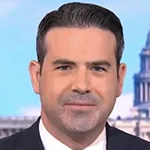 Brian Fallon, who served as national press secretary for Hillary Clinton’s 2016 presidential run, is signing on next month as Vice President’s Kamala Harris’ campaign communications director.
 TikTok is nothing more than a Chinese propaganda tool that poses “a grave threat to America’s national security and, in particular, impressionable children and young adults,” say two Congressmen who want the platform registered as a foreign agent.
 Public Strategies Washington has added Abbie Sorrendino, a former aide to now Senate Majority Leader Chuck Schumer.


 Have a comment? Send it to
No comments have been submitted for this story yet.