
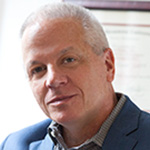
 Steve Cody |
Peppercomm has developed a system designed to help companies stay ahead of the curve on the hot-button societal issues that impact their business.
Developed in conjunction with branding and organization development firm BrandFoundations, StandSmart combines computer analytics with human expertise to give users a game plan for pinpointing the societal issues that could affect them and putting together a course of action in advance of any emerging crisis.
According to Peppercomm CEO Steve Cody, most companies have not thought through the implications that such issues as immigration, gun control and same-sex marriage could have on their target audiences and corporate reputation. He says that companies need to anticipate these issues and have their corporate position on them in place.
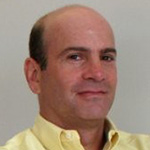 Steve Goodwin |
StandSmart aims to equip its users with an “early-warning system”—an analytics tool that shows upcoming issues. BrandFoundations chief brand architect Steve Goodwin says the warning system is the result of an audit that addresses the client’s corporate purpose, the topics that matter to its audience and the appropriate channels for delivering its message on a particular issue.
In the next step of the process, clients sit down with the experts to discuss possible strategies and devise ways to stress-test the principles that have been learned. Cody says that one client, a major airline, brought together 35 of its employees to play out possible issues and discuss possible responses to them. According to Goodwin, by getting clients to work out those positions, they are “forced to figure out what to say in the heat of the moment.”
The system also focuses on relationships within companies. Encouraging employees to steer clear of controversial issues is presented as one way of preventing a “disruptive model” that can get in the way of developing a unified message and sense of purpose.
Cody says that having that clear sense of purpose and doing your homework before a crisis has already paid off for such companies as Nike, which he credits with orchestrating a “really smart” response to the Colin Kaepernick controversy. “Companies come out of this process stronger,” he says.

 Business leaders will face challenges in the upcoming year, some of which will come as a complete surprise, or beyond anyone's imagination.
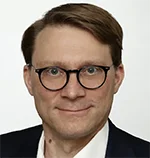 Teneo has hired Philipp Grontzki, who is a 20-year veteran of corporate communications and financial journalism, as a managing director in its strategy and communications group.
 Rowan Benecke, who co-founded Zeno Group and helmed Burson-Marsteller's tech practice, has joined McKinsey & Co as director of communications for North America.
 BCW has named Golin's Matt Coldagelli EVP and leader of its corporate affairs practice in Chicago.
 Abby Bailey, who headed corporate communications for Fedex in its Middle East, India and Africa region, has joined Teneo as managing director in Dubai.

 Have a comment? Send it to
No comments have been submitted for this story yet.