
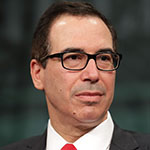
 Steve Mnuchin |
Treasury Secretary Steve Mnuchin said today the he won’t be attending the so-called “Davos in the Desert” summit in Saudi Arabia following the murder, torture and dismemberment of Saudi dissident and Washington Post columnist Jamal Khashoggi earlier this month.
"Just met with @realDonaldTrump and @SecPompeo and we have decided, I will not be participating in the Future Investment Initiative summit in Saudi Arabia," Mnuchin posted on Twitter.
The New York Times reported today on the gruesome audio recordings of Khashoggi's ordeal, in which he was beheaded by Saudi agents within minutes of walking into the Saudi consulate in Istanbul to pick up documents for his wedding.
American intelligence officials are increasingly convinced that 33-year-old Crown Prince Salman was responsible for the atrocity, according to the NYT.
O’Dwyer’s poll showed that 90 percent of respondents wanted Mnuchin to boycott the Saudi summit.

 There’s a fine line between newsjacking and taking advantage, aka ambulance chasing. Our job as PR professionals is to tread it carefully.
 PR firms need to be mindful of ways their work product may be protected by the attorney-client privilege whenever working with a client’s internal legal team or its external legal counsel.
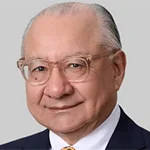 Manuel Rocha, former US ambassador and intenational business advisor to LLYC, plans to plead guilty to charges that he was a secret agent for Cuba.
 CEO mentoring is an often-overlooked aspect of why CEOs are able to make good decisions, and sometimes make bad ones—all of which intersects with the role and duties of a board.
  How organizations can anticipate, prepare and respond to crises in an increasingly complex world where a convergent landscape of global challenges, threats and risks seem to arrive at an unrelenting pace.

 Have a comment? Send it to
No comments have been submitted for this story yet.