
 |
| Erica Ciszek |
LGBTQ publics constitute a large and ever-growing market, and while many of us know that June is LGBTQ Pride month, the true test of an organization’s commitment to diversity, equity and inclusion is what it does the other 11 months out of the year.
Relationship building is central to PR, and when cultivating relationships with LGBTQ stakeholders, there are several factors that influence trust with historically marginalized populations: cultural competency, organizational congruency, authenticity and stakeholder empowerment.
Cultural competence is a precursor to building relationships with and engaging diverse publics. Practitioners often must educate clients about issues facing LGBTQ stakeholders, challenging stereotypes and misinformation about sexual and gender minorities. LGBTQ people are diverse, so your strategies and tactics need to represent the complexity of identities occupied by sexual and gender minorities. PR and communications teams need to be culturally competent on issues affecting LGBTQ stakeholders.
Organizational congruency: External communications need to mirror internal policies: organizations need inclusive and equitable internal practices that protect LGBTQ employees. Make sure you’re walking the walk, and not just talking the talk.
Authenticity: Marginalized groups have historically been distrustful of the government and corporations. Don’t pander to LGBTQ audiences: we know the difference between support and pandering. For example, if your company is considering sponsoring a float in a Pride parade, but does nothing to lift up the community, you should rethink your strategy. LGBTQ people exist outside of Pride month and only paying attention during June feels cheap and exploitative. If you’re promoting something as a Pride-themed product or event, make sure it actually benefits LGBTQ people.
Stakeholder empowerment: Organizations need to be attentive to their LGBTQ constituents, using organizational resources to advocate for sexual and gender minorities. Show up in ways that empower marginalized groups. Make space for LGBTQ people.
This June, don’t just slap a rainbow on it, stand in solidarity with us.
***
Erica Ciszek, assistant professor at the University of Texas at Austin, will serve as a panelist at The Museum of PR’s “The LGBTQ Experience in PR” program on June 6 in New York.
She’ll be joined by Jim Joseph, global president at BCW; Del Galloway, VP-communications at Wells Fargo; Drew McCaskill, senior VP-global communications at Nielsen, and others. Scott Widmeyer, chief strategy officer at Finn Partners will keynote. Tickets are still available. RSVP to prmuseum.org/06-06-19-the-lgbtq-experience

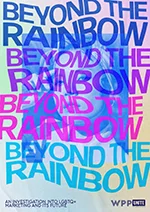 LGBTQ+ representation in communications is getting better, but many brands are still lagging when it comes to making a year-round commitment, according to a report from WPP Unite.
 To effectively connect with the LGBTQ+ community, agencies need to build cultures that create equity-minded teams and bring that mindset to the work they deliver for clients.
  Being your authentic self might come with some risks, but it can also spur careers and brands to greater success.
 An ever-larger number of companies and organizations are using Pride Month to proclaim how LGBTQ-friendly or supportive they are—but how can ethical companies or organizations really show their commitment to meeting the needs and expectations of LGBTQ audiences?
 There are ways that we as communicators can work to prevent backsliding on the deeply important issue of LGBTQ+ rights. Here are five of them.

 Have a comment? Send it to
No comments have been submitted for this story yet.