
 |
Media and public relations programs are playing a big role in building trust for direct-to-consumer brands, according to a new study from Diffusion.
The 2020 Direct-to-Consumer Purchase Intent Index looks at the factors that shape consumer decisions about buying from those brands.
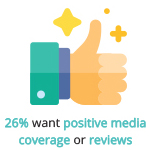
While cheaper cost (48 percent) and free shipping and easy returns (43 percent) topped the list, 26 percent of the survey respondents said that positive media coverage or reviews were the reason behind their choice to buy from a DTC brand rather than a traditional retailer.
As regards where they are getting their information, 19 percent say they are finding out about DTC brands from social media or influencer posts. Other information sources include print or online ads (18 percent), word of mouth from friends (15 percent), and reviews or features in either print or online media (14 percent).
And while the growth of direct-to-consumer buying seems to be slowing a bit, DTC is still a strong competitor to traditional brick-and-mortar shopping. Forty percent of the survey respondents said that they had made a DTC purchase over the past year. A majority of them (59 percent) also say that they expect to make at least one purchase from a DTC brand in the next five years—though that number is a sizeable drop from the 81 percent who said that in last year’s survey.
Despite the shifting boundaries between DTC and traditional retail, with retailers developing their own DTC brands and DTC companies opening physical stores, many consumers seem to be holding fast to their opinions about the split between the two. Almost half (46 percent) said they would view a traditional retailer's DTC spinoff the same way that they would a startup DTC, and a sizeable number (37 percent) said that they’d visit a DTC’s physical store to get a sense of a product before buying it.
“As competition continues to heat up, we can expect to see both types of companies steal from each other’s playbooks, as one side matures and the other tries to leverage some of the scrappy excitement DTC brands have brought to the space,” said Diffusion US managing director Kate Ryan.
Diffusion’s study was based on figures from YouGov Plc, from an online survey of 1250 adults carried out on Oct 3 and 4.

 Consumers who once demanded convenience now require consistent, multi-channel experiences that cater to them at every point. Brands must have a clear, audience-appropriate, and channel-specific voice across all platforms.
 Employees at U.S. companies are experiencing high levels of burnout, but managers are lagging behind when it comes to their awareness of the problem
 Brand has a powerful effect on a company’s valuation, but the level of brand understanding in the investment community leaves a lot to be desired, according to a new study from Brodeur Partners, Interbrand and NewtonX.
 AI may still be viewed with a wary eye by most media pros, but its use is growing, according to a new study from Muck Rack.
 A new study from Walker Sands says that some marketers have been putting the cart before the horse when it comes to the relationship between marketing channels and business outcomes.


 Have a comment? Send it to
No comments have been submitted for this story yet.