
 |
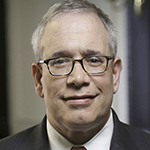
| Scott Stringer |
New York City Comptroller Scott Stringer is “deeply disturbed” by the New York Times/ProPublica report that McKinsey & Co. “proposed cuts to food and medical care, as well as accelerated deportation, in the name of reducing costs at ICE,” according to his Dec. 4 statement.
He called for NYC “to reconsider any future relationships with McKinsey and ensure that any contracted work is aligned with our values.”
McKinsey has trashed the article for fundamentally misrepresenting its work. “It disregards the facts that we provided before publication and misleads readers about both the substance and goals of our work,” said McKinsey in its own Dec. 4 statement.
The management consultant said it offered “extensive on-the-record comments in response to more than a dozen questions.” It criticized the piece for containing “only the barest” of its statements and for ignoring many of the factual points that we presented.”
The firm maintains that it did not recommend reducing the quality of food or healthcare for detainees.
It said it’s also untrue that “it was deeply involved in executing policies fundamental to the Trump administration’s immigration crackdown.”
McKinsey noted that it was hired by the Obama administration, which established the scope and goals of its work.
The New York-based consultant is committed to supporting America’s legacy of welcoming immigrants, according to its statement. “We believe that our firm, the US and the global economy are strengthened by the mobility of diverse talent."

 There’s a fine line between newsjacking and taking advantage, aka ambulance chasing. Our job as PR professionals is to tread it carefully.
 PR firms need to be mindful of ways their work product may be protected by the attorney-client privilege whenever working with a client’s internal legal team or its external legal counsel.
 Manuel Rocha, former US ambassador and intenational business advisor to LLYC, plans to plead guilty to charges that he was a secret agent for Cuba.
 CEO mentoring is an often-overlooked aspect of why CEOs are able to make good decisions, and sometimes make bad ones—all of which intersects with the role and duties of a board.
  How organizations can anticipate, prepare and respond to crises in an increasingly complex world where a convergent landscape of global challenges, threats and risks seem to arrive at an unrelenting pace.

 Have a comment? Send it to
No comments have been submitted for this story yet.