
 |
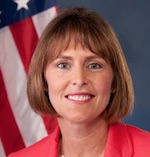
| Kathy Castor |
Congresswoman Kathy Castor wants Google CEO Sundar Pichai to “stop promoting climate denial and misinformation videos” on the company’s YouTube platform.
“I urge you to ensure that YouTube is not incentivizing climate misinformation content on its platform, or effectively giving free advertising to those who seek to protect polluters and their profits at the expense of the American people,” wrote Castor, chair of the House select committee on the climate crisis, in a Jan. 27 letter to Pichai.
Her letter follows a report released Jan. 16 by Avaaz, online activist group, that charted YouTube recommendations to users searching “global warming,” “climate change,” and/or “climate manipulation.”
Avaaz found that 16 percent of the top 100 related videos for global warming contained misinformation.
The percentages were eight percent and 21 percent for climate change and manipulation, respectively.
The group found that YouTube advertisers including L’Oreal, Samsung, Danone, Friends of the Earth, Greenpeace and Carrefour ran ads linked to the misinformation videos.
Castor noted that YouTube is “the most social platform in the US.” Three-of-four American adults watch videos on YouTube. Nine out of ten Americans under age 30 use it.
The Florida Democrat praised Google for “leading the fight against the climate crisis” and “displaying an important commitment to shifting the American American economy toward a clean energy future.”
She wants to hear from Pichai by Feb. 7 on his plan to remove climate denial videos from YouTube, stop monetizing misinformation material and to correct the record for millions of users who have been exposed to bogus climate information.

 There’s a fine line between newsjacking and taking advantage, aka ambulance chasing. Our job as PR professionals is to tread it carefully.
 PR firms need to be mindful of ways their work product may be protected by the attorney-client privilege whenever working with a client’s internal legal team or its external legal counsel.
 Manuel Rocha, former US ambassador and intenational business advisor to LLYC, plans to plead guilty to charges that he was a secret agent for Cuba.
 CEO mentoring is an often-overlooked aspect of why CEOs are able to make good decisions, and sometimes make bad ones—all of which intersects with the role and duties of a board.
  How organizations can anticipate, prepare and respond to crises in an increasingly complex world where a convergent landscape of global challenges, threats and risks seem to arrive at an unrelenting pace.

 Have a comment? Send it to
No comments have been submitted for this story yet.