
 Gail Heimann Gail Heimann |
Weber Shandwick has cut and furloughed staff to counter client cutbacks across various sectors, according to an internal memo from CEO Gail Heimann.
Though Weber Shandwick took early action to address the COVID-19 crisis (e.g., cutting executive pay, issuing a hiring freeze and slashing expenses) many companies "are putting plans for new assignments and agency searches on hold," said Heimann
She said of the layoffs: "It is something I hoped I would not have to do; it is a wrenchingly hard decision to make. And I know it is indescribably hard for those to whom we are saying good-bye."
Heimann said her duty, as CEO is to "protect our business—to do everything we can to ensure stability this year and put our firm in a position to thrive and grow in years to come."
Interpublic owns Weber Shandwick.

 There’s a fine line between newsjacking and taking advantage, aka ambulance chasing. Our job as PR professionals is to tread it carefully.
 PR firms need to be mindful of ways their work product may be protected by the attorney-client privilege whenever working with a client’s internal legal team or its external legal counsel.
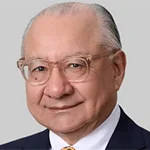 Manuel Rocha, former US ambassador and intenational business advisor to LLYC, plans to plead guilty to charges that he was a secret agent for Cuba.
 CEO mentoring is an often-overlooked aspect of why CEOs are able to make good decisions, and sometimes make bad ones—all of which intersects with the role and duties of a board.
  How organizations can anticipate, prepare and respond to crises in an increasingly complex world where a convergent landscape of global challenges, threats and risks seem to arrive at an unrelenting pace.


 Have a comment? Send it to
No comments have been submitted for this story yet.