
 |
Social distancing appears to be having a positive effect on the power of influencers, according to a new study from Matter Communications. Online brand communications, however, are lagging behind.
With consumers spending more time on social platforms, their contact with influencers and their messages is growing. Over half of the more than 1,000 consumers that Matter polled this month (58 percent) said that they are noticing more sponsored content from influencers than they did before social distancing restrictions started. And 63 percent have spent more time viewing and/or posting content across social platforms while social distancing.
Survey respondents also said they trust the information they are getting from influencers. Sixty-one percent of respondents said they are likely to trust online recommendations that come from influencers, friends or family members. Online recommendations from a brand only registered a 38 percent trust level.
In addition, only 19 percent said they feel that the influencer content they have seen has been “tone-deaf and/or unhelpful.”
More than eight out of ten respondents (82 percent) said they have purchased, researched or considered purchasing a product or service after seeing friends, family or influencers post about it. More than half (56 percent) were particularly interested in seeing influencer posts about food and beverage products, with health and wellness (48 percent) and personal technology (45 percent) close behind.
Celebrity influencers did not rank all that high, though. Only about a fifth of respondents (from 17 to 22 percent across all product categories) said they prefer celebrity influencers over personalities seen as either aspirational, relatable, expert, “just for fun” or well-known non-celebrity individuals, such as authors or public figures.
“Our data makes one thing clear: influencer marketing presents a unique and timely opportunity for companies to engage with a thoughtful, nuanced approach,” said Matter president Mandy Mladenoff.
But Mladenoff does not think that brand communications are a dead-end street by any means. “They just need to focus on compelling, strategic programs with influencers to further reach the right audience at the right time,” she said.

 Brand has a powerful effect on a company’s valuation, but the level of brand understanding in the investment community leaves a lot to be desired, according to a new study from Brodeur Partners, Interbrand and NewtonX.
 AI may still be viewed with a wary eye by most media pros, but its use is growing, according to a new study from Muck Rack.
 A new study from Walker Sands says that some marketers have been putting the cart before the horse when it comes to the relationship between marketing channels and business outcomes.
 Thought leadership can make made B2B brands more "powerful and attractive to buyers," according to Edelman report.
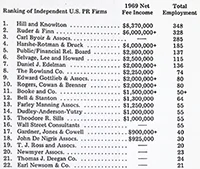 The deadline for O'Dwyer's 2024 rankings of PR firms, a benchmark study of the growth of the industry annually since 1970, is Mon., Mar. 11, 2024.

 Have a comment? Send it to
No comments have been submitted for this story yet.