
 |
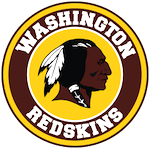
The Washington Redskins announced today that the NFL team would change its name and logo—both long criticized as racist by Native Americans—after an 87-year run.
Team owner Dan Snyder launched a "thorough review" of the name on July 3 following pressure by team sponsors FedEx, Pepsi and Bank of America.
FedEx paid $205M for the naming rights of the team's stadium in Landover, MD, and its chairman Fred Smith is a minority owner of the Redskins.
Amazon, Walmart and Target also announced that they would stop selling Redskins merchandise.
Snyder and coach Ron Rivera are working to develop a new name and design.
The Redskins brought in Burson-Marsteller in 2014 as the NFL dealt with pressures to change the name of the team.
The Washington Post reported July 4 that Jay Leveton, president of Mark Penn's The Stagwell Group, has been advising Snyder, a good friend, on the name change issue.
Earlier, Leveton was global CEO at Penn, Schoen & Berland Assocs, polling firm, and executive VP-worldwide at B-M.

 There’s a fine line between newsjacking and taking advantage, aka ambulance chasing. Our job as PR professionals is to tread it carefully.
 PR firms need to be mindful of ways their work product may be protected by the attorney-client privilege whenever working with a client’s internal legal team or its external legal counsel.
 Manuel Rocha, former US ambassador and intenational business advisor to LLYC, plans to plead guilty to charges that he was a secret agent for Cuba.
 CEO mentoring is an often-overlooked aspect of why CEOs are able to make good decisions, and sometimes make bad ones—all of which intersects with the role and duties of a board.
  How organizations can anticipate, prepare and respond to crises in an increasingly complex world where a convergent landscape of global challenges, threats and risks seem to arrive at an unrelenting pace.


 Have a comment? Send it to
No comments have been submitted for this story yet.