
 |
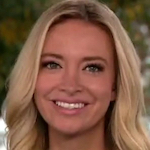
| Kayleigh McEnany |
White House press secretary Kayleigh McEnany has tested positive for COVID-19.
“After testing negative consistently, including every day since Thursday, I tested positive for COVID-19 on Monday morning while experiencing no symptoms. No reporters, producers or members of the press are listed as close contacts by the White House Medical Unit,” she said in a statement.
McEnany said she didn’t know that Hope Hicks, Trump’s communications advisor, had tested positive for COVID-19 prior to the press conference on Oct. 1.
“As an essential worker, I have worked diligently to provide needed information to the American people at this time,” said McEnany.
She is going into quarantine and will “continue working on behalf of the American people remotely.”

 There’s a fine line between newsjacking and taking advantage, aka ambulance chasing. Our job as PR professionals is to tread it carefully.
 PR firms need to be mindful of ways their work product may be protected by the attorney-client privilege whenever working with a client’s internal legal team or its external legal counsel.
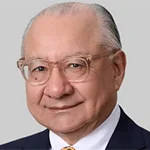 Manuel Rocha, former US ambassador and intenational business advisor to LLYC, plans to plead guilty to charges that he was a secret agent for Cuba.
 CEO mentoring is an often-overlooked aspect of why CEOs are able to make good decisions, and sometimes make bad ones—all of which intersects with the role and duties of a board.
  How organizations can anticipate, prepare and respond to crises in an increasingly complex world where a convergent landscape of global challenges, threats and risks seem to arrive at an unrelenting pace.

 Have a comment? Send it to
No comments have been submitted for this story yet.