
 |
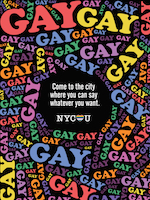
BCW, H+K Strategies, VMLY&R, Group M and Kinetic are the WPP shops that donated creative content and advertising space for New York mayor Eric Adams' move to run digital billboards in Florida to denounce its "Don't Say Gay" law.
The legislation bans instruction on sexual orientation and gender identity in grades kindergarten through third grade.
The ads, which kicked off April 4 and will run through May 29 in Fort Lauderdale, Jacksonville, Orlando, Tampa and West Palm Beach, are expected to chalk up 5M impressions.
They position NYC as a champion of free speech and a welcoming place for members of the LGBTQ+ community.
Adams called the "Don't Say Gay" law "the latest shameful, extremist culture war targeting the LGBTQ+ community." He invited them "to come to a city where you can say and be whoever you want."
Christina Pushaw, a spokesperson for Florida governor Ron DeSantis, dismissed NYC's billboard push.
"Thousands of New Yorkers have moved to Florida since the pandemic began, and I doubt many will leave Florida because they're so upset about the lack of classroom instruction on gender theory and sexuality for children in grades K-3," Pushaw said in a statement.

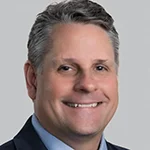 Husch Blackwell Strategies has added FleishmanHillard alum Michael Slatin as a principal in its public affairs group.
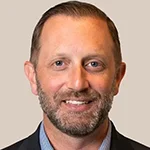 Rory Cooper, a veteran Republican operative and policy specialist, has joined Teneo’s Washington office as senior managing director in its strategy & communications practice.
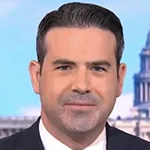 Brian Fallon, who served as national press secretary for Hillary Clinton’s 2016 presidential run, is signing on next month as Vice President’s Kamala Harris’ campaign communications director.
 TikTok is nothing more than a Chinese propaganda tool that poses “a grave threat to America’s national security and, in particular, impressionable children and young adults,” say two Congressmen who want the platform registered as a foreign agent.
 Public Strategies Washington has added Abbie Sorrendino, a former aide to now Senate Majority Leader Chuck Schumer.


 Have a comment? Send it to
Apr. 6, 2022, by Joe Honick
Curious: have all the right-wingers against those LGBTQ citizens also proposed to excuse them from paying taxes since the righties want to deny them freedoms enjoyed by others and allow for discrimination? If not, why not? We do indeed live in interesting times!