
 |
PR pros are increasingly aiming to get their messages across on podcasts, according to the newly released Q2 2023 Propel Media Barometer, which analyzed the nearly 500,000 pitches that were sent through the platform in Q1 2023.
Propel’s research says that PR pros pitched to podcasts 21.23 percent more often in Q1 than they did in Q4 2022. The response to those pitches is inching up as well, with the open rate going from 69.95 percent to 75.16 percent, and the response rate going from 14.61 percent to 15.06 percent.
In terms of subject material, artificial intelligence and solar energy were hot topics as far as open rates were concerned, but response rates were tepid. More than nine out of 10 pitches mentioning AI were opened, as were almost 95 percent of those about solar energy. However AI only snagged a 1.95 response rate and solar energy pulled in an even more anemic 0.87 percent.
The Silicon Valley Bank implosion was also an attention-getter. More than half (55.76 percent) of pitches relations to the SVP collapse were opened and 5.67 got a response.
Overall, getting a response to your PR pitch remains a tough order to fill, with only 2.91 percent of pitches pulling in a journalist response. That’s down slightly from the 3.16 percent that got responses in 2022. That slide become even more concerning when compared to 2021’s 3.95 percent and 2020’s 7.33 percent.
The Barometer does provide a few strategies for counteracting that slide. One: send your pitches in the middle of the week. Response rate topped 20 percent from Tuesday through Thursday, falling considerably on the other days of the week.
Also, as Propel has found over the past several Media Barometers, keeping things brief never hurts. For subject length, that means one to five words. Pitch leads should stay in the 51-to-80-word range and pitch body lengths should not exceed 150 words. And don’t crazy with the embedded links, either. The optimal number of those is two or three.

 Brand has a powerful effect on a company’s valuation, but the level of brand understanding in the investment community leaves a lot to be desired, according to a new study from Brodeur Partners, Interbrand and NewtonX.
 AI may still be viewed with a wary eye by most media pros, but its use is growing, according to a new study from Muck Rack.
 A new study from Walker Sands says that some marketers have been putting the cart before the horse when it comes to the relationship between marketing channels and business outcomes.
 Thought leadership can make made B2B brands more "powerful and attractive to buyers," according to Edelman report.
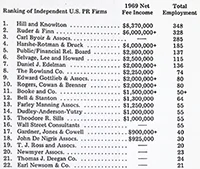 The deadline for O'Dwyer's 2024 rankings of PR firms, a benchmark study of the growth of the industry annually since 1970, is Mon., Mar. 11, 2024.


 Have a comment? Send it to
No comments have been submitted for this story yet.