
DKC Impact, a new division of DKC Public Relations, is providing pro bono PR and digital support to non-profit, charitable, humanitarian and educational groups.
|
|
Non-profits can apply online with DKC and one to two organizations will be chosen each quarter to receive DKC's help for a three-month perriod.
Criteria for selection includes size, budget, PR needs and demonstration of sustainability and success.
The firm has experience helping the public become aware of the work of charitable groups such as the Children’s Health Fund, American Humane Association, USO and A Better Chance.
DKC Impact is already helping the Where Angels Play Foundation, created by a New Jersey firefighter to build 26 playgrounds in 26 communities destroyed by Hurricane Sandy and name each in memory of one of the victims in the Newtown, Conn. massacre.
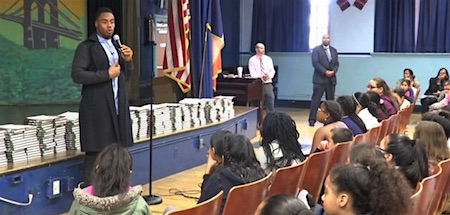
The firm is also working with the foundation for Giants running back Rashad Jennings.
“George Burns, once said, ‘When you stop giving and offering something to the rest of the world, it’s time to turn out the lights,’” DKC executive VP Bruce Bobbins pointed out.
Bobbins and his staff at DKC take those words to heart and hope to make sure the non-profits picked each quarter “remain beacons of light to those in need by shining the public’s attention on them."

 Consumers continue to place a premium on corporate responsibility, but they increasingly want to see that responsibility directed toward issues that affect the bottom line, according to a new study from Mission North
 Not all pressing issues require corporate voice! Brand stewards must must ask why and when their brands should engage, or if they need to engage on a particular issue at all.
 Dollar General investors voted in support of a shareholder resolution at its May 31 annual meeting for an independent third party audit of “worker safety and well-being.”
 Nonprofits and philanthropists have a unique opportunity to take ownership of conversations surrounding pressing social issues.

 Have a comment? Send it to
No comments have been submitted for this story yet.