
 |
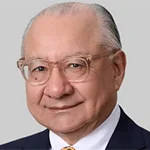
| Manuel Rocha |
Former US ambassador Manuel Rocha plans to plead guilty to charges that he served as a secret agent for Cuba in what is billed as one of the biggest breaches of national security in years.
The 73-year-old had been working as a senior international business advisor on business development matters for LLYC at the time of his Dec. 4 arrest.
He had joined LLYC last September after working as US ambassador to Bolivia and serving in the US interests section in Cuba.
Rocha also did stints in Dominican Republic, Italy, Argentina, Mexico and Argentina.
He is expected to plead guilty to two counts of conspiring to act as a foreign agent and be sentenced on April 12. Each count carries a maximum of five to 10 years in jail.
Rocha, who was shackled at the hands and ankles, told a federal judge in Miami on Feb. 29 that he would enter a guilty plea.
LLYC cut ties with Rocha after his arrest, and noted that the spying allegations lodged against him were unrelated to his work for the Madrid-based firm.
The US is LLYC's No. 2 market.

 There’s a fine line between newsjacking and taking advantage, aka ambulance chasing. Our job as PR professionals is to tread it carefully.
 PR firms need to be mindful of ways their work product may be protected by the attorney-client privilege whenever working with a client’s internal legal team or its external legal counsel.
 CEO mentoring is an often-overlooked aspect of why CEOs are able to make good decisions, and sometimes make bad ones—all of which intersects with the role and duties of a board.
  How organizations can anticipate, prepare and respond to crises in an increasingly complex world where a convergent landscape of global challenges, threats and risks seem to arrive at an unrelenting pace.
 Why the best time for an organization to plan for a crisis is before the storm hits.


 Have a comment? Send it to
No comments have been submitted for this story yet.