
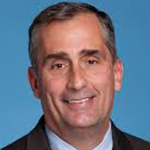
 Brian Krzanich |
Intel CEO Brian Krzanich resigned today after a corporate and outside investigation confirmed that he had a past consensual relationship with an employee in violation of the company’s non-fraternization policy that applies to all managers.
The electronics giant said it was recently informed of Krzanich’s relationship, which then triggered the investigations.
“Given the expectation that all employees will respect Intel’s values and adhere to the company’s code of conduct, the Board has accepted Mr. Krzanich’s resignation,” said Intel’s statement.
Intel’s non-fraternization policy also requires employees who see or believe someone acted inappropriately to report the activity.
CFO Bob Swan will head the company on an interim basis.
The company said it has a robust succession planning process and has begun a search for a permanent CEO. An executive search firm will help evaluate both internal and external candidates.
Krzanich joined Intel in 1992 and was elected CEO in 2013.

 There’s a fine line between newsjacking and taking advantage, aka ambulance chasing. Our job as PR professionals is to tread it carefully.
 PR firms need to be mindful of ways their work product may be protected by the attorney-client privilege whenever working with a client’s internal legal team or its external legal counsel.
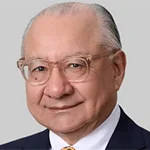 Manuel Rocha, former US ambassador and intenational business advisor to LLYC, plans to plead guilty to charges that he was a secret agent for Cuba.
 CEO mentoring is an often-overlooked aspect of why CEOs are able to make good decisions, and sometimes make bad ones—all of which intersects with the role and duties of a board.
  How organizations can anticipate, prepare and respond to crises in an increasingly complex world where a convergent landscape of global challenges, threats and risks seem to arrive at an unrelenting pace.


 Have a comment? Send it to
No comments have been submitted for this story yet.