
The 2019-2020 election cycle will generate about $6 billion in paid political ad placements, according to estimates released by market research and data analytics company Kantar Media.
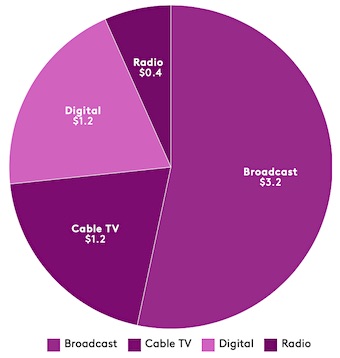 |
| 2020 Federal campaign spending, by media, in billions. |
Kantar’s latest election spending figures, which excludes funds spent by PACs as well as local election spending, predicts paid media placements endorsing candidates for U.S. federal offices will increase 14 percent during the 2019-2020 election cycle from the $5.25 billion spent on political ads during the 2018 midterm elections.
These figures actually reveal a slowdown in overall political ad spending growth, when compared to the 21 percent jump ad spending saw during the 2018 midterms from the 2016 presidential election and its 78 percent increase from the 2014 midterm cycle.
TVs ads will reign supreme as the preferred format for political campaign spending, taking more than half —53.3 percent— of the total paid media placements in 2020, or about $3.2 billion.
Kantar predicts that digital channels will see significant increases, accounting for about 20 percent—or $1.2 billion—of total political ad spends, now rivaling cable, which is expected to receive about the same amount. Radio is expected to receive only 6.7 percent of paid media placements, or about $400 million.

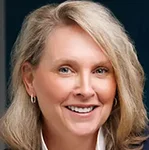 Maggie Moran, who is well-connected in New Jersey and New York Democratic politics, has established Moxie Strategies in Asbury Park, NJ.
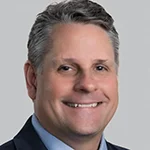 Husch Blackwell Strategies has added FleishmanHillard alum Michael Slatin as a principal in its public affairs group.
 Rory Cooper, a veteran Republican operative and policy specialist, has joined Teneo’s Washington office as senior managing director in its strategy & communications practice.
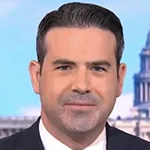 Brian Fallon, who served as national press secretary for Hillary Clinton’s 2016 presidential run, is signing on next month as Vice President’s Kamala Harris’ campaign communications director.
 TikTok is nothing more than a Chinese propaganda tool that poses “a grave threat to America’s national security and, in particular, impressionable children and young adults,” say two Congressmen who want the platform registered as a foreign agent.


 Have a comment? Send it to
No comments have been submitted for this story yet.