
 |
Former New York governor Andrew Cuomo’s decision to use campaign funds to pay the salary of PR man Rich Azzopardi violates the state’s election laws, according to Susan Lerner, executive director of Common Cause New York.
Her group, with the League of Women Voters, NY Public Interest Research Group and Reinvent Albany, want the New York State Board of Elections to investigate whether paying Azzopardi is an appropriate use of campaign funds.
They contend contributors to Cuomo’s $18M campaign fund intended the money to be used for his political campaign, not for his personal spokesperson.
Azzopardi, who joined Cuomo’s staff in 2012, told the New York Daily News that it is “permissible” for him to serve as Cuomo’s spokesperson on matters related to questions concerning legal reviews and about his time in office.
He allegedly played a part in a smear campaign targeting Cuomo’s political opponents and sexual harassment victims, according to the report compiled by attorney general Letitia James.

 There’s a fine line between newsjacking and taking advantage, aka ambulance chasing. Our job as PR professionals is to tread it carefully.
 PR firms need to be mindful of ways their work product may be protected by the attorney-client privilege whenever working with a client’s internal legal team or its external legal counsel.
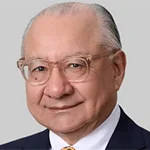 Manuel Rocha, former US ambassador and intenational business advisor to LLYC, plans to plead guilty to charges that he was a secret agent for Cuba.
 CEO mentoring is an often-overlooked aspect of why CEOs are able to make good decisions, and sometimes make bad ones—all of which intersects with the role and duties of a board.
  How organizations can anticipate, prepare and respond to crises in an increasingly complex world where a convergent landscape of global challenges, threats and risks seem to arrive at an unrelenting pace.

 Have a comment? Send it to
No comments have been submitted for this story yet.