
Overcoming Analysis By Paralysis
Wed, Apr. 17, 2024
By Ken Jacobs
 Fiona Hutton, founder and CEO at Fiona Hutton & Associates, shares her insights as a female entrepreneur on how to overcome analysis by paralysis and how "Type A” executives can be effective leaders on the most recent Taking The Lead video podcast.
 While employee inclusion is important for any workplace, three recent examples illustrate how staff empowerment can potentially threaten an organization.
 David Barkoe, founder and CEO of Carve Communications, says it’s possible to effectively lead teams, even virtual ones, through any challenge.
 As faith in institutions crumbles and the spread of AI-generated fake news fuels people's mistrust about information, it's time for the PR business to focus on serving the public interest.
 Over a rewarding 50-year career in public relations I’ve pitched everything from bowling to knitting, but the pitch I'll long remember is the one that recently saved my life after being diagnosed with chronic kidney disease in 2009.
 In latest episode of Taking the Lead video interview, Ruder Finn's Trish Nicolas shares lessons learned for internal communicators, including leading through uncertainty, what to do when you stumble, and how to lead in this era of employee disengagement.
 There will always be a place for big ideas and sweeping changes, but don't underestimate the value of smaller steps and incremental advances.
 On Taking the Lead video podcast, Valarie De La Garza, CEO of Fenton, openly discusses how she battled imposter syndrome and societal expectations during a 100-day interim CEO role, ultimately gaining the confidence to thrive in the job.
 How to maintain a vibrant culture, build a bond with team members and foster productivity in today’s new work environment.
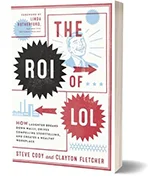 Peppercomm leader Steve Cody, stand-up comic and chief comedy officer Clayton Fletcher, co-authors of "The ROI of LOL," say that humor and laughter are essential in the workplace and can drive effective leadership.
 On the newest Taking the Lead video podcast, Anne Green, the CEO-Elect of G&S Business Communications, openly discusses a mistake she made during CooperKatz’s acquisition by G&S in 2018.
 We need to know enough about both the humanities and science to be capable citizens. With the politicization of so many topics—vaccines, evolution, climate change, stem cells—a more roundly educated public is essential.
 Praytell founder and CEO Andy Pray has leaned on the leadership tenets of his father, a pastor, to grow his Brooklyn DUMBO agency.
 Using emotion and biases to influence a potential client undermines trust and creates tension rather than fostering a long-lasting relationship based on honesty and mutual benefit.
 In an age of content overload, employees are still finding the most basic information elusive…how leaders and communicators are putting their organizations at risk.
 Actionable data for tracking performance and managing your PR agency with operational efficiency.