
 |
LGBTQ+ representation in communications is getting better, but many brands are still lagging when it comes to making a year-round commitment.
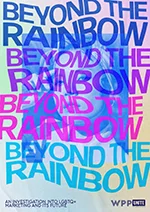
That’s the conclusion of “Beyond the Rainbow,” a new report from WPP Unite, which brings together LGBTQ+ employees across the company’s businesses.
In collaboration with Choreograph (WPP’s global data company), the Human Rights Campaign, UK Black Pride, DIVA magazine and myGwork, WPP Unite polled 3,500 LGBTQ+ people in the US, UK and Canada to see what they thought of the current state of LGBTQ+ marketing.
The study authors also surveyed 4,000 non-LGBTQ+ people.
While they found a lot to be positive about, they also uncovered several areas in which there’s room for things to get better.
Almost three quarters (74 percent) of the queer people surveyed said that there’s been improvement in LGBTQ+ representation in ads in recent years. However, they also say that much of that representation is limited to such strategies as changing a company’s logo to the rainbow flag colors during Pride month.
 |
Though more than half (52 percent) of queer respondents say that they like seeing those rainbow logos, three in four also say that they’d like to see brands’ efforts go a little further—including such strategies as more advertising showing LGBTQ+ people, raising awareness of issues impacting LGBTQ+ people and supporting initiatives that aid LGBTQ+ charities.
The survey also shows that many people expect the acceptance of varying sexuality identities to increase. About three-quarters (74 percent) of the LGBTQ+ people surveyed and 61 percent of the non-LGBTQ+ people surveyed say they think “sexuality will be become more fluid in the future.”
However, that acceptance isn’t making its presence known in the workplace quite as quickly as one might think. The study found that just 40 percent of LGBTQ+ respondents were completely open about their sexuality at work, with about 50 percent saying they were completely open about their gender identity.
The key role that queer media play in communications to both LGBTQ+ and non-LGBTQ+ audiences is also discussed. While nine out of 10 LGBTQ+ respondents say they seek out “specific queer media,” a surprising 61 of non-LGBTQ+ respondents also look for it. For non-LGBTQ+ people between 18 and 24, that number rises to 85 percent.
But queer media also have some work to do. The study finds that just 38 percent of those who seek out queer content are satisfied with the way LGBTQ+ people are represented.
Even so, brands that want to connect with LGBTQ+ audiences should incorporate more queer media into their media planning, the study says. In addition, there needs to be a conscious effort to normalize and represent LGBTQ+ issues and an increased effort to foster an inclusive space for LGBTQ+ employees.

 To effectively connect with the LGBTQ+ community, agencies need to build cultures that create equity-minded teams and bring that mindset to the work they deliver for clients.
  Being your authentic self might come with some risks, but it can also spur careers and brands to greater success.
 An ever-larger number of companies and organizations are using Pride Month to proclaim how LGBTQ-friendly or supportive they are—but how can ethical companies or organizations really show their commitment to meeting the needs and expectations of LGBTQ audiences?
 There are ways that we as communicators can work to prevent backsliding on the deeply important issue of LGBTQ+ rights. Here are five of them.
 The economic comeback from the COVID-19 pandemic will likely be led by the LGBTQ consumer.

 Have a comment? Send it to
No comments have been submitted for this story yet.