
 |
| Seth Linden |
“For C.D.C.’s Walensky, a Steep Learning Curve on Messaging - Dr. Rochelle Walensky, the director of the Centers for Disease Control and Prevention, has stumbled in explaining her policy decisions.”
– New York Times (Jan. 5, 2022)
Let’s face it. There was no public relations playbook for a 21st century global pandemic.
No so-called messaging expert could prepare for or anticipate the confusion, disruption and terror COVID-19 has brought to every home across the globe.
Nonetheless, after two years, one might think the messaging process at an organization like the CDC might have gotten easier and that the explanation of what Americans should do next about Omicron would be clearer and more succinct.
Not quite.
Long before the pandemic, major corporations and small businesses—not to mention governmental agencies—struggled to explain their positioning in a clear, concise and consistent way and not just in times of crisis. Ask a CEO what their company does, and you might get an explanation that is muddled, jargon-filled and inconsistent with what other executives in the same company say. Organizations grapple with the corporate version of the difficult question many of us have faced in job interviews: “So tell me about yourself.”
As a so-called messaging expert myself, I see otherwise bright, capable and passionate people come up short when it comes to explaining their policy positions, deep convictions and reasons for what they do and how they do it. That’s why people in the PR field are brought into companies every day. To put it into a sound bite, clear messaging ain’t easy.
The CDC has clearly stumbled in the last month as it has vacillated on quarantining and masking requirements and faced backlash from a confused public and media (which ironically does not like it when officials just “stay on message”). The agency needs to step up its efforts and build public trust—which it can do if the following steps are taken immediately:
• Conduct media coaching regularly (at least once a week—not occasionally). If this is being done at the CDC, it isn’t evident in the result yet. The agency should anticipate rightful media skepticism about new guidelines and protocols and have credible former journalists (who represent various political points of view) asking tough probing questions before “real” interviews take place. If journalists in mock sessions rip your sound bites to shreds, you’re not ready to face the public.
• Get on the same page. Anyone who is out in public discussing the pandemic on behalf of the Administration should be speaking with colleagues daily and reviewing talking points. For example, if one official suggests—and this just happened—that vaccines could be required on domestic flights, all related agency heads need to be aligned on that point before the concept is floated in the public and creates more confusion.
• Assume you have a tired, angry audience. When corporations are in the middle of a crisis, they need to factor in that public opinion is not on their side and message accordingly. The CDC and other federal agencies must communicate and shape sound bites with the idea they are speaking to a weary and distrustful public. Even many who are vaccinated and boosted have had enough. When public officials speak, they need to acknowledge that “this is confusing, and I know people are frustrated, and we may need to change our thinking again.”
• Repetition and brevity matter. “Keep calm and carry on,” “stop drop and roll” —keep it simple for the public to remember. “Five days, test at home, and you’re done.” Don’t give long explanations to an American public that has been through so much. Patience and attention spans are short.
• Avoid cliches. At this point, few people want to hear an overused “we’re in this together.” Assume cynicism and frustration. Humor, brevity, and acknowledging the other side of the aisle would go a long way.
The CDC has a chance to course correct, and it needs to do so now. We know that institutions at all different levels—private, public, federal, state, local—are facing enormous challenges of maintaining public trust and confidence. What is arguably the world’s leading health organization can’t afford to be grouped into that category of mistrusted organizations.
This crisis, and indeed the pandemic itself, will eventually end. But other crises will occur—and as has been said about pandemic preparedness itself, we need to be ready for future pandemics. Hopefully then, messages will be clear and there will be a playbook to be followed.
***
Seth Linden is president of Dukas Linden Public Relations.

 Girl Scouts of Greater New York must rue the day that it signed lease in The Trump Building, home of Donald Trump's post-hush money trial rants... Trump Media & Technology Group says it conducted a "detailed evaluation process" before hiring new auditor, a day before the old one was barred from doing business... Police departments have failed to learn lessons of Black Lives Matter protests, as they have arrested/charged 19 journalists (so far) who were covering Gaza demonstrations.
 Democrats play their favorite game, which is bashing Big Oil for its effort to cast doubt on global warming... Wingnut Marjorie Taylor Greene justified her vote against the Antisemitism Awareness Act by sputtering antisemitic nonsense... The deeply politically polarized USA stands united in worries about 2024 election coverage.
 What would you do if you have received a call from one of Musk’s few remaining top lieutenants to see if you would be interested in advising him on PR matters?
  Nike finally throws in the towel and admits that its new MLB uniforms are a flop... A good chunk (34 percent) of TikTokers support a ban on the Chinese app.... "Lede of the Week Award" goes to Wall Street Journal reporter Angus Berwick for story abourt John Jacob Astor IV's gold pocket watch.
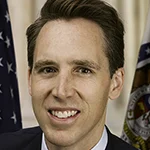 Republican tough guys Josh Hawley and Tom Cotton want Biden to send the National Guard to Columbia University to put an end to student protests... Bernie blasts Bibi for insulting America's intelligence by equating criticism of Israel's government with antisemitism... German court convicts former financial PR exec who claims he wasn't aware that trading on tips is illegal.

 Have a comment? Send it to
Jan. 16, 2022, by Joe Honick
I have to believe Mr. Linden is smart simply because he presents such an intelligent presentation that should be set next to another article here, or a few articles, that confuse as much as the CDC ever could about all the surveys somebody got money to do.
It would have said something better about the communications professionals and the industry altogether had the constant complainers, surveyors and critics organized some kind of group to meet quietly and professionally with the CDC to pound out some kind of effective message instead of trying to put the hit on a government agency struggling just as hard on a daily basis.
Instead of all these damned surveys and articles screaming for message clarity, the industry pro's who claim to know better could have done better without all the noise as to why CDC might be failing.